Have you ever wondered what functional mushrooms are? Then just take a stroll down the aisle of a store market, and you will find these fungi in all things. This includes right from coffee to protein to the best mushroom supplements. These functional mushrooms benefit each and everyone because they have their unique health benefits.
What are functional mushrooms?
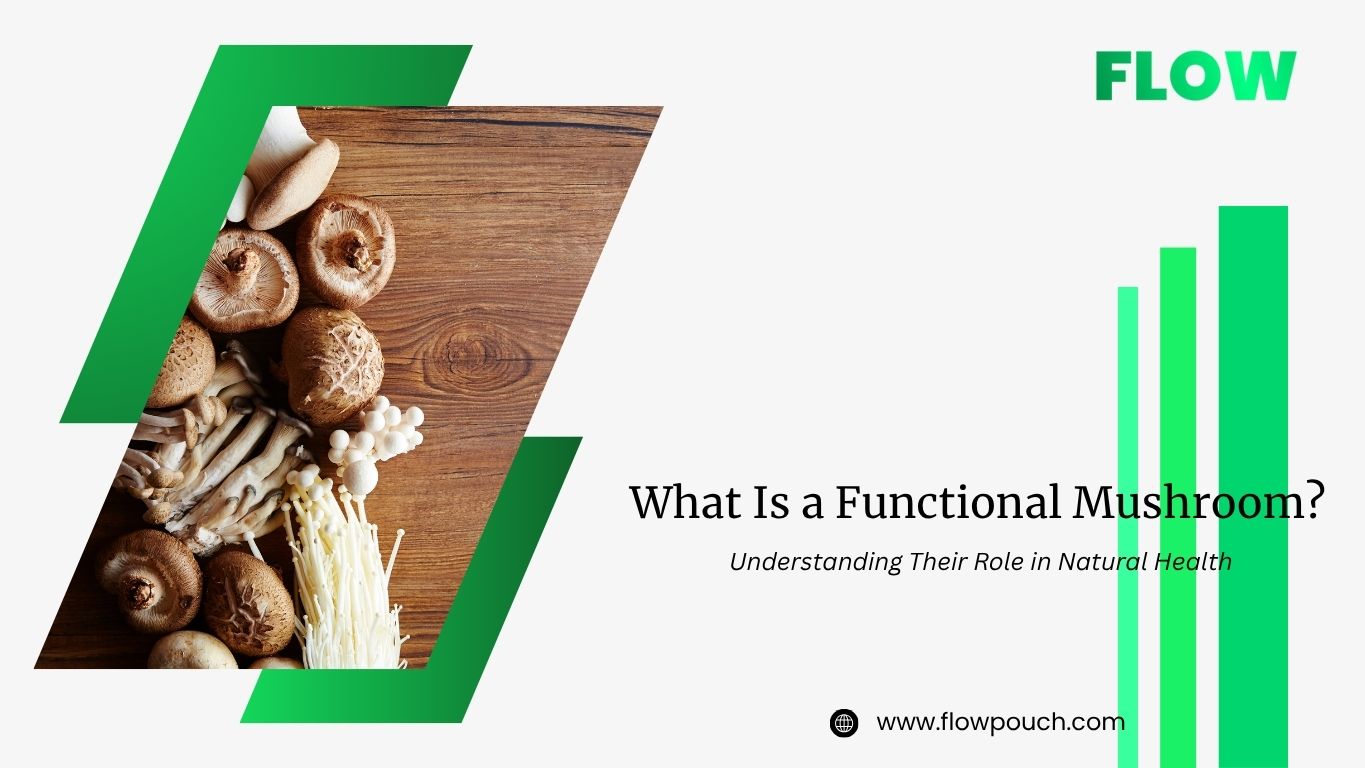
Functional mushrooms are types of fungi that have got a number of health benefits depending on their nutritional composition. However, functional mushrooms are divided into two groups: Medicinal mushrooms and adaptogenic mushrooms.
Medicinal mushrooms contain compounds that have many health benefits. They have antioxidative and cytotoxic properties that kill harmful cells.
Adaptogenic mushrooms on the other hand contain adaptogens that help bodies adapt to and fight chemical, physical, and biological stress. Before you add these performance mushrooms to your diet, be aware that improper usage can cause adverse side effects. These functional mushrooms have side effects like insomnia and nausea.
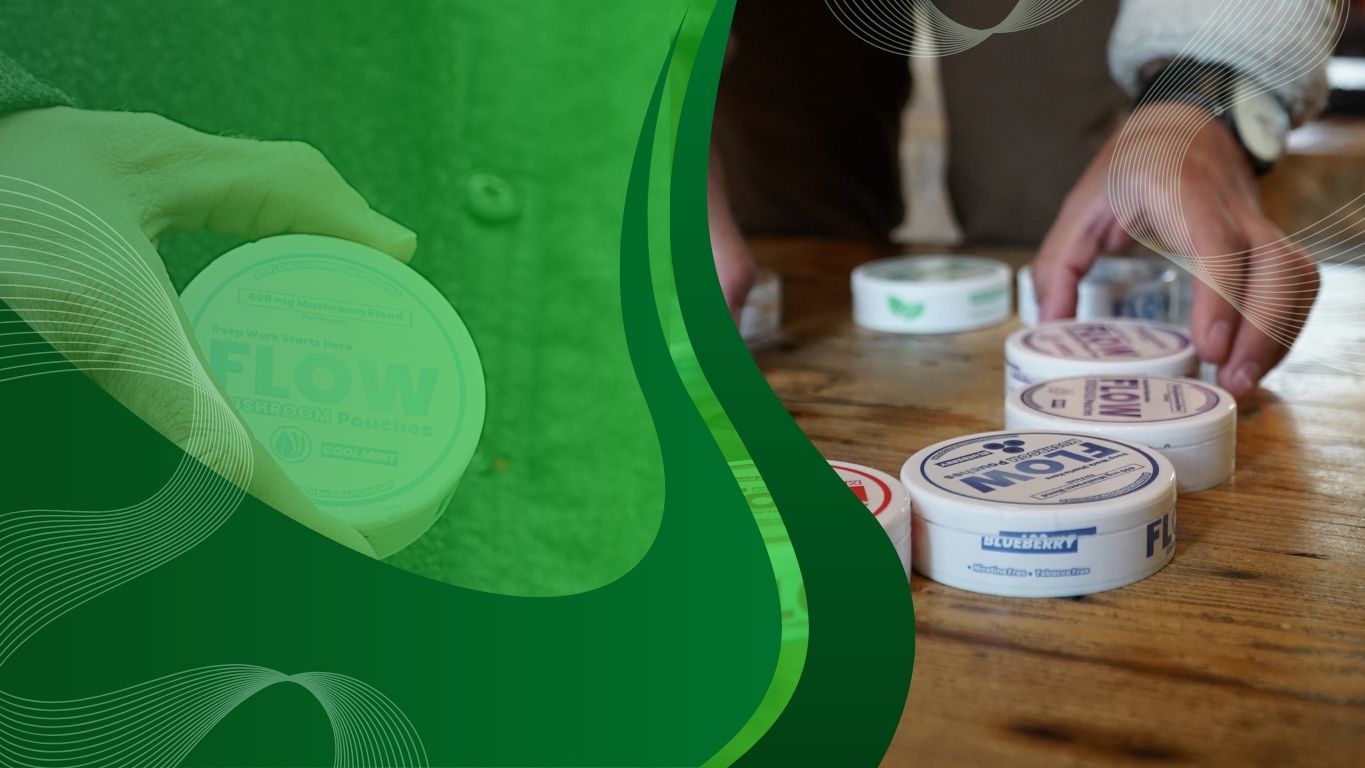
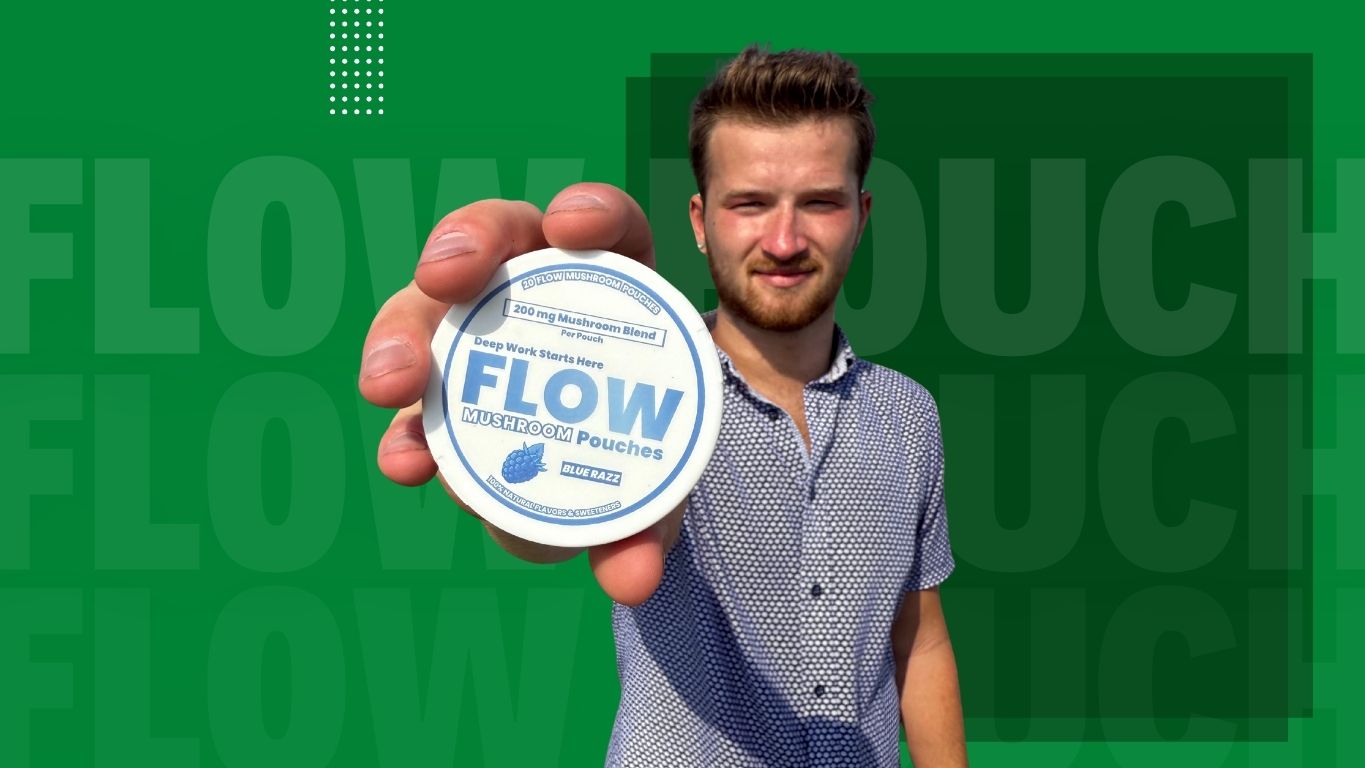
But leaving this, functional mushrooms are the best mushrooms for health. Hence, we offer the best flow mushroom pouches that are energy lip pouches, containing organic mushroom complex. These are nicotine-free pouches and tobacco-free pouches which act as focus boosters for your mental well-being.
Types of functional mushrooms:
1. Reishi mushrooms: They have a long history of medicinal usage. These mushrooms are used in Asian countries. This is a functional mushroom having benefits like boosting the immune system, lowering blood sugar in people with diabetes, and preventing infection.
2. Lion's mane mushroom: This white mushroom is used in Chinese medicine and is known as Houtou. It is used for brain and nerve health and for treating gastrointestinal conditions.
3. Turkey tail: This is Yun Zhi in Chinese medicine and Kawaratake in Japanese medicine. This mushroom is used in cancer treatment in Japan.
4. Cordyceps: This mushroom is hard to find. This mushroom has found ways to grow cordyceps artificially. It helps in boosting energy and kidney function along with sex drive.
5. Chaga: These mushrooms are edible and are consumed as tea. They are used for fighting infections and GI issues.
6. Shiitake: This is one of the most popular mushrooms used for cooking. It has vitamins and minerals and helps in boosting the immune system and lowering cholesterol.
Do functional mushrooms have side effects?
These functional mushrooms have side effects like:
1. Dry mouth
2. Upset stomach
3. Dizziness
4. Low blood glucose
5. Low blood pressure
6. Skin issues
So, it is advisable to consider your health specialist before consuming these mushrooms.
Keeping this in mind, we have introduced flow mushroom pouches, the best energy pouches, which are caffeine-free energy pouches that have tremendous health benefits. Because they are made keeping in mind your mental and physical well-being.
FAQs:
1. Is it safe to use functional mushrooms?
Functional mushrooms are generally regarded as safe to eat, particularly when eaten as food. Supplements containing concentrated mushrooms, however, may have negative consequences, particularly if taken in excess or if you already have a medical issue.
2. How long does it take for functional mushrooms to start working?
Some people report positive benefits within a few weeks of constant use, while the time it takes to observe the effects can vary.
3. Are functional mushrooms legal?
Functional mushrooms are typically regarded as dietary supplements at the federal level. The Dietary Supplement Health and Education Act (DSHEA) of 1994 gives the FDA the authority to regulate dietary supplements. The FDA does not need to approve dietary supplements, including items made from functional mushrooms, before they can be sold, according to DSHEA.
Because of its potential health benefits, including immunological support, cognitive enhancement, and stress reduction, functional mushrooms have become more and more popular. Because of this, the market for these products has grown quickly, and authorities are now keeping a careful eye on their effectiveness and safety.
Manufacturers must, however, make sure that their goods meet the safety and labeling regulations set forth by the DSHEA. Furthermore, any health claims about functional mushrooms must be backed by scientific data and comply with FDA regulations. Legal repercussions and regulatory action, such as product recalls, may follow noncompliance with these requirements.